This blog post is all about how to optimize the regenerative benefits of fasting while supporting a balanced stress response, guiding your body toward healing without triggering unintended setbacks.
Overview of Fasting, Cortisol, and Autoimmunity
Autoimmune diseases affect millions, prompting interest in metabolic therapies like fasting to address root causes rather than just symptoms. While fasting offers benefits such as autophagy, immune system resets, and reduced inflammation, many patients ask: Does fasting raise cortisol? Indeed, fasting can act as a biological stressor that temporarily increases cortisol. For those with autoimmunity, elevated cortisol can worsen leaky gut and suppress thyroid function. To mitigate this risk, approaches like the Fasting Mimicking Diet (FMD) and metabolic cycling offer safer alternatives. By balancing the regenerative power of fasting with cortisol management, patients can harness the body’s healing potential without triggering negative stress responses.
A Brief History of Fasting Research
Cortisol is an extremely important (if not the most important) hormone, and without healthy cortisol levels, reversing and preventing autoimmune disease is almost impossible. Now, does that mean no fasting? Not at all.
From Ancient Ritual to Medical Therapy
Research into the health benefits of fasting has been ongoing since the early 1900s.
– One early example of research into fasting was a study conducted in the 1910s by Dr. Edward Dewey. Dewey conducted a series of experiments on himself and several other individuals, in which he fasted for various lengths of time and recorded the physical and mental effects of fasting. He reported improvements in a variety of health conditions, including rheumatism, high blood pressure, and digestive issues.
– In the 1960s, Dr. George Cahill and his colleagues at Harvard Medical School conducted a series of studies investigating the metabolic effects of fasting. They found that during fasting, the body begins to break down stored fat for fuel, which can lead to weight loss and other metabolic changes.
– More recently, several randomized controlled trials have investigated the health effects of fasting. One study published in the Journal of the American Medical Association in 2017 found that alternate-day fasting led to significant weight loss and improvements in markers of cardiovascular disease risk in overweight adults.
– Another study published in the New England Journal of Medicine in 2019 investigated the effects of a 3-month period of time-restricted feeding, in which participants were only allowed to eat during a 10-hour window each day. The study found that time-restricted feeding led to significant improvements in blood pressure, insulin resistance, and oxidative stress in participants.
How is Cortisol Impacted by Fasting?
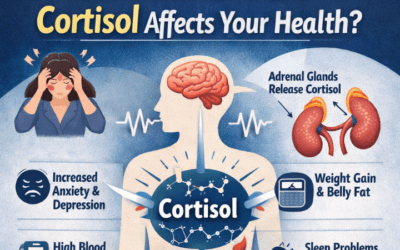
To understand why fasting can sometimes backfire, we must look at cortisol. Cortisol is the body’s primary stress hormone. It plays a vital role in regulating metabolism, reducing inflammation, and controlling the sleep-wake cycle.
When you stop eating, your blood glucose levels eventually drop. To prevent hypoglycemia (dangerously low blood sugar), the body releases cortisol. This hormone signals the liver to produce glucose from non-carbohydrate sources, a process called gluconeogenesis.
For a healthy person, this temporary rise in cortisol is manageable and even beneficial; it mobilizes energy and increases alertness. However, if you have an autoimmune condition, your system may already be chemically stressed. An aggressive fast (like a 3-day water fast) can send cortisol levels through the roof. Chronic or excessive cortisol elevation can lead to:
- Increased gut permeability (Leaky Gut): Stress hormones can loosen the tight junctions in the intestinal lining.
- Immune suppression followed by rebound inflammation: While cortisol initially suppresses the immune system, chronic elevation can lead to cortisol resistance, where the body stops listening to the “anti-inflammatory” signal.
- Thyroid downregulation: High cortisol can inhibit the conversion of T4 to active T3 thyroid hormone.
Fasting Mimicking Diet: An Option for Longer Fasting Benefits
For individuals with compromised health, water-only fasting can be overly stressful, making the Fasting Mimicking Diet (FMD) a practical alternative.
The FMD involves consuming a specific balance of plant-based fats, proteins, and carbohydrates for five days. The calorie count is low (usually around 800–1100 calories), but it provides enough nutrients to “trick” the body. You get the cellular benefits of fasting, such as autophagy and lowered insulin-like growth factor 1 (IGF-1), without the intense stress response associated with complete starvation.
For autoimmune patients, FMD acts as a training wheels approach. It provides the reset the immune system needs while keeping cortisol levels more stable than a complete water fast would.
Benefits of Fasting
When done correctly, and with cortisol in check, the impact of fasting on autoimmune disease can be profound. It works through several biological mechanisms that help “clean house” at a cellular level.
– Autophagy Activation–
Fasting stimulates autophagy, the body’s natural process of clearing damaged cells and cellular debris. This “cellular housekeeping” reduces inflammatory triggers that can exacerbate autoimmune conditions.
– Immune System Modulation–
Periodic fasting has been shown to promote the regeneration of immune cells, particularly lymphocytes, helping recalibrate immune function and reduce self-directed inflammatory activity.
– Reduction of Pro-Inflammatory Signals–
Fasting can decrease levels of pro-inflammatory cytokines and markers, such as TNF-α and IL-6, which are often elevated in autoimmune disorders.
– Improved Insulin and IGF-1 Regulation–
By lowering circulating insulin and insulin-like growth factor 1 (IGF-1), fasting reduces metabolic stress on cells, supporting longevity and reducing autoimmune flare-ups.
– Enhanced Cellular Stress Resilience–
Short-term fasting increases cellular resistance to oxidative stress, improves mitochondrial efficiency, and promotes hormetic adaptations that strengthen overall cellular function.
– Gut Microbiome Support–
Fasting can favorably shift gut microbiota composition, which is critical for immune tolerance and may help mitigate autoimmune responses driven by dysbiosis.
Why You Should Vary Your Fasting Routine?
Biological rigidity is rarely a good thing. Doing the exact same intermittent fasting routine (e.g., 16:8) every single day can eventually lead to a plateau or hormonal fatigue, especially in women.
The body is highly adaptive. If you restrict calories or feeding windows strictly for months, your metabolic rate may slow down to preserve energy. This is an evolutionary survival mechanism.
To prevent this adaptation and keep cortisol responsive rather than reactive, consider “metabolic confusion” or cycling. This might look like:
- Fasting for 16 hours several days a week.
- Eating normally on weekends.
- Doing a longer, supported fast (like FMD) once a quarter.
By varying your routine, you keep your metabolism flexible and prevent the chronic stress signals that signal to your body that it is in a permanent state of famine.
Restoring Balance
Reversing or managing autoimmune disease is rarely about finding a single magic bullet. It is about layering different strategies that support the body’s innate ability to heal. Fasting is a potent tool in this arsenal, capable of resetting a confused immune system and reducing systemic inflammation. However, it must be respected. If your fasting protocol leaves you feeling wired, anxious, or exhausted, your cortisol may be hindering your progress. Listen to your body, consider gentler approaches like the Fasting Mimicking Diet, and remember that healing is a marathon, not a sprint.
Frequently Asked Questions
While fasting can significantly reduce symptoms and help put autoimmune diseases into remission by resetting the immune system and lowering inflammation, the term “cure” is rarely used in autoimmune disorders. It is better viewed as a powerful management and reversal tool.
Technically, black coffee contains negligible calories and does not break a metabolic fast for weight loss. However, caffeine raises cortisol. If you are fasting specifically to heal autoimmunity and are sensitive to stress, decaf or herbal tea might be a safer choice.
Research suggests that the deep immune reset (autophagy and stem cell regeneration) begins to peak after 48 to 72 hours in humans. However, shorter intermittent fasts (16–18 hours) still offer benefits regarding gut rest and insulin sensitivity.
Pregnant or breastfeeding women, individuals with a history of eating disorders, those with adrenal insufficiency (HPA axis dysfunction), and people taking certain medications (like insulin) should not fast without strict medical supervision.
“Got a Revolution, got to Revolution.” Jefferson Airplane
Dr. David Bilstrom
Autoimmune Functional Medicine Doctor