Every October, breast cancer awareness takes center stage. We wear pink, remind women to schedule their mammograms, raise money for research, and share stories of survivors. All of that matters tremendously.
But I believe there is another conversation we need to be having at the same time: what are we doing before breast cancer develops, and what are we doing after treatment to support long-term health and reduce the risk factors we actually have the ability to influence?
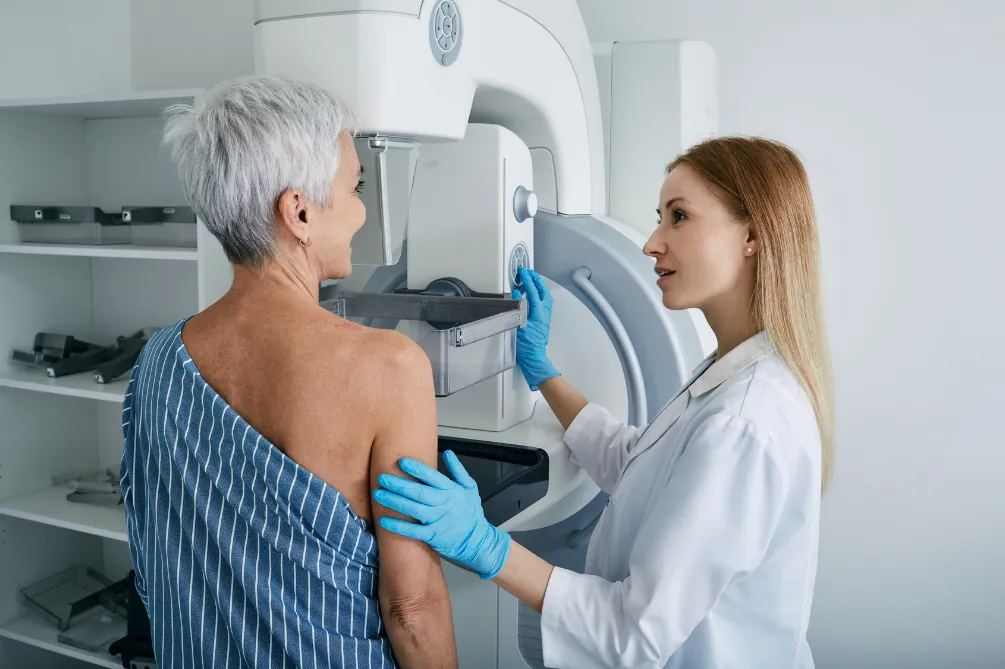
Breast cancer screening is incredibly important because mammograms can help identify cancer earlier, when it may be easier to treat. But screening and prevention are not the same thing.
A mammogram is designed to look for cancer that may already be there. Prevention asks a different question: what can we do today to lower risk, improve overall health, and create a healthier internal environment for the years ahead?
That is a conversation I believe every woman deserves to have.
Breast Cancer Is Common, but Your Risk Is Personal
Breast cancer remains the most commonly diagnosed cancer in women in the United States other than skin cancer. The American Cancer Society estimates that approximately 321,910 women will be diagnosed with invasive breast cancer in the United States in 2026, and the average lifetime risk for a woman is about 1 in 8.
Those numbers deserve our attention, but they should not leave you feeling powerless.
Breast cancer risk is influenced by many different factors, and they are not the same for every woman. Some factors, such as age, genetics, family history, certain inherited gene mutations, and aspects of your personal medical history, cannot be changed. Others may be modifiable, including alcohol use, physical activity, body composition, metabolic health, nutrition, smoking, and some hormonal exposures.
This is where a more proactive and personalized approach to healthcare becomes so valuable. You cannot change the genes you were born with, but genetics are not the entire story of your health.
Prevention Starts With Understanding Your Individual Risk
One of the limitations of a one-size-fits-all approach to medicine is that two women can walk into the same office at the same age and have very different breast cancer risk profiles.
One woman may have no significant family history at all. Another may have a mother and sister who developed breast cancer at younger ages. Someone else may have already been treated for breast cancer, have dense breasts, a history of abnormal breast biopsies, significant metabolic dysfunction, or a family history that suggests genetic counseling should be considered.
Those women should not automatically receive identical prevention plans.
Good preventive medicine asks better questions about your history, your family, your current health, your screening plan, and the risk factors that may actually be relevant to you. It also considers whether genetic counseling or testing makes sense, whether your current screening strategy is appropriate, and whether there are lifestyle or metabolic factors that deserve attention.
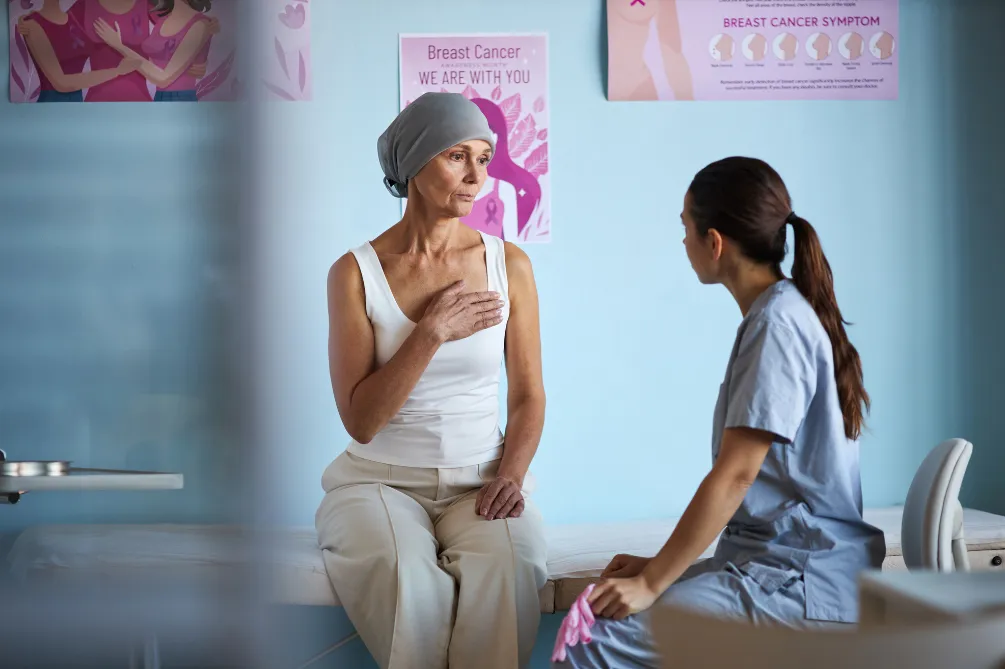
For women who have already experienced breast cancer, the conversation becomes even more individualized because recurrence risk, ongoing surveillance, medications, treatment history, menopausal status, and coordination with an oncology team all matter.
This is one of the principles I use every day in Functional Medicine: test, don’t guess.
Then build the plan around the individual.
Hormonal and Metabolic Health Deserve Attention
Many breast cancers are hormone receptor-positive, which means hormones such as estrogen can influence the growth of those cancer cells. Hormonal biology is complex, and that is exactly why women deserve a thoughtful, individualized conversation rather than oversimplified advice.
After menopause, for example, fat tissue becomes an important source of estrogen production, and excess body weight after menopause is associated with an increased risk of breast cancer, particularly hormone receptor-positive breast cancer.
Metabolic health matters as well. Higher insulin levels, insulin resistance, and excess body weight are associated with several cancers, including breast cancer.
That does not mean that body weight alone determines whether a woman will develop cancer, and it certainly should not be treated as a source of blame. It simply means that metabolic health is one of several areas worth assessing and improving as part of a comprehensive prevention strategy.
The goal is not perfection. The goal is to understand what is happening in your body and improve the factors that can reasonably be improved.
Alcohol Is One Risk Factor Many Women Underestimate
One of the breast cancer risk factors that surprises people the most is alcohol.
Alcohol consumption is associated with an increased risk of breast cancer, and that is true whether the alcohol comes from wine, beer, or liquor. Alcohol can influence hormone levels, including estrogen, and the risk generally increases as alcohol intake increases.
For cancer prevention, the American Cancer Society states that not drinking alcohol is best. For women who choose to drink, the recommendation is no more than one alcoholic drink per day.
This is not about creating fear or telling people they have to live perfectly. It is about making sure women have accurate information so they can make informed choices about their health.
Sometimes the most important preventive strategies are also the simplest.
Movement Is One of the Best Things You Can Do for Your Health

Regular physical activity is another important part of breast cancer risk reduction, but it also supports cardiovascular health, metabolic health, brain health, bone health, sleep, and overall longevity.
The American Cancer Society recommends that adults work toward 150 to 300 minutes of moderate-intensity exercise each week, or 75 to 150 minutes of vigorous activity, or a combination of the two. Reaching or exceeding 300 minutes of moderate activity may provide additional benefit.
That does not mean you need to suddenly become an endurance athlete. Walking, strength training, moving after meals, gardening, cycling, swimming, or simply choosing an activity you actually enjoy can all contribute.
I remind my patients of this constantly: you don’t have to be perfect, just perfect enough.
Consistency will almost always matter more than perfection.
Food Matters, but There Is No Magic Cancer Supplement
Nutrition is another important part of the bigger picture, and I generally encourage a dietary pattern centered around whole, nutrient-dense foods rather than highly processed food.
That typically means emphasizing more vegetables, fruits, legumes, fiber-rich foods, nuts, seeds, and minimally processed foods while reducing ultra-processed foods, processed meats, excess added sugar, and foods that make maintaining healthy metabolic function more difficult.
At the same time, I want to be very clear that there is no supplement that has been proven to prevent breast cancer. The American Cancer Society does not recommend dietary supplements specifically for cancer prevention.
Supplements can absolutely have a role when we are correcting a documented deficiency or addressing another individualized medical need, but they should not become a replacement for understanding your actual risk, your metabolic health, your nutrition, your activity level, and your screening plan.
Once again, the principle is simple: test, don’t guess.
Functional Medicine Does Not Replace Breast Cancer Screening
A Functional Medicine approach should never mean ignoring proven breast cancer screening. It should mean putting screening inside a more complete prevention strategy.
For average-risk women, current U.S. Preventive Services Task Force recommendations call for mammography every other year from age 40 through age 74.
Some women need a different strategy based on their risk. Women at substantially increased risk may need earlier screening, annual screening, breast MRI in addition to mammography, genetic counseling, or another individualized approach.
If you have a strong family history of breast cancer, ovarian cancer, pancreatic cancer, certain prostate cancers, male breast cancer, or a known cancer-associated gene mutation in your family, that is something to discuss with your healthcare team.
Early detection matters tremendously, but so does everything you do in the months and years between screenings.
Why I Created a Cancer Prevention, Recurrence & Return Concierge Program
Traditional medicine can be excellent at diagnosing and treating cancer. At the same time, our healthcare system does not always give physicians enough time to sit down with someone and have an extensive conversation about prevention, changing risk factors, metabolic health, nutrition, lifestyle, medications, labs, stress, sleep, or how all of those pieces fit together.
It can also be difficult for patients to coordinate multiple specialists, get questions answered quickly, and know who is responsible for looking at the full picture.
That is why I created my Cancer Prevention/Recurrence/Return Membership Program for people who want a more proactive, personalized level of medical support.
Membership is currently $645 per month and includes:
- Direct weekday access to my team
- Same- or next-day appointments
- Extended, unhurried visits
- Virtual appointments for flexibility
- Fast lab-result follow-up
- Live phone support
- Online scheduling and record access
- Health coaching
- Nutritional counseling
- Family involvement when desired
- Coordination with your oncologist and other healthcare providers
This program is not meant to replace your oncologist, breast specialist, genetic counselor, mammograms, or any other conventional cancer care.
It is designed to help connect the dots.
My goal is to give patients the time, access, and individualized support needed to understand their health more completely and to work proactively on the factors that deserve attention.
This October, Turn Awareness Into Action

Breast Cancer Awareness Month has done an extraordinary job of getting people to pay attention, and that awareness has saved lives.
Now I would love to see us expand the conversation even further.
Know your family history. Understand your individual risk. Stay current on appropriate screening. Move your body. Take an honest look at alcohol. Support healthy metabolic function. Eat real food. Ask whether genetic counseling is appropriate for you. And if you have already experienced breast cancer, work with your healthcare team to build a proactive long-term plan.
Your future health is not determined by one decision or one perfect day. It is shaped by the choices you make repeatedly, the quality of your medical care, and how well your care is personalized to you.
Progress, not perfection.
And prevention, not just detection.
Ready for a More Personalized Cancer Prevention Plan?
If you want a physician-led, Functional Medicine approach designed to work alongside your existing medical team, you can learn more about my Cancer Prevention/Recurrence/Return Membership Program here:
Explore the Cancer Prevention/Recurrence/Return Concierge Program:
https://drdavidbilstrom.com/concierge-medicine-packages/
Ready to join?
https://drdavidbilstrom.hint.com/signup/cancer-care-concierge-membership
New patients complete a brief nurse interview before finalizing their membership so we can make sure the program is appropriate for their individual needs.
You do not need more fear around cancer. You need good information, an individualized plan, and a healthcare team willing to help you be proactive about the things you can control.
— Dr. David Bilstrom