If you’re handling a complex autoimmune condition like lupus, rheumatoid arthritis, or a cluster of symptoms no one has named yet, then you’re not alone. The regular doctor visits, medications, routine bloodwork- all of this deserves kudos, as it’s already a full-time job on its own. But in Idaho, appointment slots can be short and hard to come by, and care can sometimes feel squeezed into a rushed visit.
For some patients, that can mean a brief visit where not every concern gets fully addressed. Others look for more time through additional options, including an online autoimmune specialist doctor. Either way, it raises an important question: why a 15-minute visit isn’t enough when the condition is complex? So, in this guide, we break that down for you, along with what a longer visit can look like.
Overview: Longer Doctor Visits for Complex Autoimmune Care
Complex autoimmune conditions can be difficult to fit into a 15-minute visit, since symptoms may span multiple body systems and sometimes trace back years. In a short appointment, there may be limited time to review a full history or spot broader lab patterns, which can sometimes contribute to repeat testing. Longer, root-cause-focused functional medicine visits can offer more time to review your history, symptoms, prior testing, and patterns over time.
What Gets Missed in a Standard 15-Minute Appointment
Full Medical History
A short visit can leave little time to review childhood illness, family autoimmune patterns, past infections, or a full medication timeline. This matters because complex autoimmune disease can trace back years, while a brief appointment may focus mainly on today’s main complaint.
Whole-Body Symptom Picture
Autoimmune disease can involve more than one organ. Fatigue, joint pain, brain fog, and skin issues may share a root cause, but in a rushed visit, each symptom can end up routed to a separate specialist rather than considered together.
Individualized Testing
With limited time, it can be harder to decide which tests make sense for a particular patient. More testing is not automatically better. Autoimmune diagnosis often depends on symptoms, physical examination, disease-specific testing, and other clinical information, not simply broader lab panels. A longer visit gives more room to think through which tests are clinically indicated for you and to interpret results alongside the rest of your history.
Diet, Stress, and Lifestyle Discussion
A patient’s gut health, sleep, stress load, and diet can influence immune function, but in a short visit they may get little attention when the time goes to the main complaint. That can leave less room to talk about natural treatment approaches for autoimmune disease alongside medical care.
Pattern Tracking Across Visits
Many autoimmune symptoms can flare and fade unpredictably. One single short visit captures a snapshot, so patterns across weeks or months can be harder to see without consistent follow-up.
Signs Your Autoimmune Symptoms Need More Than a Quick Checkup
Remember, not every symptom calls for a longer visit, but certain patterns may be worth asking about. If two or more of these feel familiar, it may be worth requesting a longer appointment to look at the bigger picture.

The Real Cost of Rushed Visits: Misdiagnosis, Repeat Testing, and Delayed Treatment
Misdiagnosis and Wrong Treatment Paths
Consider a patient with fatigue, joint pain, and poor sleep. When each symptom is looked at on its own, the bigger picture may be attributed to something like stress or anxiety while an underlying autoimmune process is still being sorted out. This doesn’t happen to everyone, but when symptoms are complex and overlapping, it’s one way a diagnosis can take longer to reach. Some patients respond by looking for an online autoimmune specialist doctor who can offer more time to look at the whole picture.
Repeat Testing Because Nothing Was Tracked Longitudinally
If no single doctor is connecting today’s results to last year’s, every new provider basically starts from zero. That means the same blood draws, scans, and panels get repeated again and again, not because anything’s changed, but because no one has the full picture needed to build personalized autoimmune treatment.
Months or Years Lost, and Rising Financial Cost
According to the Autoimmune Association, on average, it takes about 4 years and four different doctors to get an actual autoimmune diagnosis. That time adds up in cost, as every visit, ER trip, and referral adds to the bill. Autoimmune conditions also behave differently from person to person, as some progress, some fluctuate, and treatment response varies, which is why timely evaluation and continuity of care matter.
|
Tired of Rushed Visits That Leave Your Questions Unanswered? Dr. Bilstrom’s concierge care gives you longer visits, connected testing, and our team of doctors follows your whole story from start to finish. |
What a Longer, Root-Cause-Focused Functional Medicine Doctor Visit Actually Looks Like
A Full History Comes Before Any Diagnosis
Functional medicine visits typically run 60 to 90 minutes, especially for a first consultation. During this whole time, the doctor walks through your full health timeline, medications, and prior results before deciding what actually needs investigating next.
One Care Team Follows the Thread Across Systems
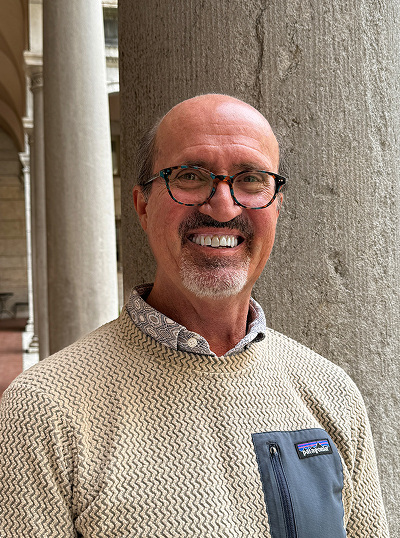
Rather than routing each symptom to a different specialist, an experienced autoimmune disease specialist like Dr. David Bilstrom stays responsible for the whole picture, such as the patient’s fatigue, skin, digestion, and mood, and looks at how they interact.
Daily Habits Get Treated Like Clinical Evidence
How you sleep, eat, move, and handle stress isn’t just small talk here; instead, it’s treated like real evidence, the same way a lab result is. Doctors use it to help figure out what’s actually going on with you, instead of just asking about it and moving on.
Progress Is Reviewed, Not Just Reported
Every follow-up looks back at your last visit along with how you’re feeling, what your labs showed, and what’s changed. That way, small changes get noticed early, instead of only becoming obvious after months. Your treatment plan also keeps adjusting based on what’s really happening with you.
Patients Get the Time to Actually Ask Questions
Patients often leave a 15-minute visit with unanswered questions. However, a longer visit gives them time to ask about what to eat, when to follow up, what a flare-up might look like, and what to do if symptoms change before the next appointment.
Conclusion
Hence a longer visit can give a doctor more room to notice patterns across your history, symptoms, and results, which can help in understanding what may be driving your symptoms and in shaping a plan tailored to you. So, if you are looking to have a visit like this, Dr. David Bilstrom is right here to help. As a 4x board-certified functional medicine physician based in Idaho Falls, our team is dedicated to helping patients with complex, autoimmune conditions.
|
Your autoimmune story deserves more than 15 rushed minutes. Come, let’s talk about what real care looks like. |
FAQs About Complex Autoimmune Diseases
“Got a Revolution, got to Revolution.” Jefferson Airplane
Dr. David Bilstrom
Autoimmune Functional Medicine Doctor