When thyroid levels drop, our entire body begins to slow down in ways that feel confusing and frustrating, because a low-functioning thyroid (hypothyroidism) affects your body in many different ways. The thyroid gland plays a key role in how your body creates energy, regulates metabolism, maintains temperature, and supports cognitive and hormonal balance. When it underperforms, everyday functions shift in ways many people don’t immediately associate with thyroid health. Thus, recognizing these early signs can make a meaningful difference in maintaining long-term well-being. In this guide, we’ll not only highlight low-thyroid symptoms but also explain why they occur and which lifestyle factors may be contributing. Let’s get started!
In Brief:
Low thyroid, or hypothyroidism, occurs when the thyroid gland produces insufficient hormones, slowing down the body’s metabolism. Common signs include fatigue, weight gain, cold intolerance, dry skin, hair thinning, mood changes, and irregular menstrual cycles. Early recognition of these symptoms is key to managing thyroid health effectively.

Low Thyroid Signs And Symptoms
Some of the signs and symptoms that you may experience are :
1. Continuous Fatigue and Weakness
Whenever you start feeling tired, and that too continuously, it is regarded as one of the first signs thyroid is low. Our thyroid hormones regulate cell energy, and when their levels are reduced, it leads to slower energy production. As a result, basic daily activities may begin to feel unusually exhausting, even when you have rested well enough.
2. Weight Gain and Difficulty Losing Weight
You might start having unexplained weight gain, often because the metabolism slows due to low thyroidhormone production. The body burns fewer calories at rest, and this change creates stubborn weight patterns that do not improve easily through diet or exercise alone.
3. Increased Sensitivity to Cold
Another major sign you will witness is a reduced ability to tolerate cold temperatures. Since thyroid hormones influence body heat generation, lowered levels make the body less efficient at maintaining warmth. Having cold hands and feet and a persistent feeling of chilliness are typical low-level thyroid symptoms that many people overlook at first.
4. Irregular or Heavier Menstrual Cycles
For menstruating individuals, heavier, longer, or irregular periods may occur. Thyroid hormones have a very strong influence on your reproductive health, and disruptions can affect cycle length and intensity. For example, if you have newly developed hypothyroidism, the usual 28-day cycle suddenly stretches to 40 days, followed by a period that lasts 8–10 days instead of the typical 4–5, often with clotting and fatigue.
5. Dry Skin, Hair Thinning, and Brittleness
It also affects your skin. Skin becomes dry and rough because the thyroid controls how much oil and sweat your skin produces. When hormone levels drop, your skin doesn’t stay moisturized, so it becomes dry, coarse, and sometimes flaky. And above that, your hair becomes thin and breaks easily because the growth of hair follicles also slows down.
6. Mood Changes and Cognitive Slowdown
Low thyroid levels have been associated with slowed brain processes. Mood swings, irritability, forgetfulness, and mental fog may be seen because thyroid hormones support your neurotransmitter balance. Even when you try to concentrate, you might struggle with that as well!
Some Commonly Asked Questions
Why am I so tired all the time?
Fatigue is one of the most common and often earliest symptoms of low thyroid, caused by a general slowing of the body’s metabolism.
How long does it take for hypothyroid symptoms to show up or become noticeable?
Symptoms usually develop slowly over weeks to months, which is why many people don’t realize they’re thyroid-related until they worsen.
Can hypothyroidism symptoms come and go?
Yes. Many patients experience fluctuating symptoms because thyroid hormone levels can vary, especially in early or untreated stages.
Which Lifestyle Habits Are Responsible For Keeping My Thyroid Levels Low
Well, the medical factors matter, but maintaining healthy habits is equally important. Some of the wrong ones that may affect your thyroid are:
1. Chronic Sleep Deprivation
Sometimes we don’t get enough sleep, which gives constant stress on the endocrine system. When sleep quality remains poor, hormone balance can be disturbed, and thyroid function may be indirectly affected. For example, individuals working late shifts or rotating schedules often experience prolonged fatigue because thyroid-related metabolic processes are repeatedly disrupted.
2. Insufficient Intake of Essential Nutrients
Thyroid hormone production depends on minerals such as iodine, selenium, and zinc. If you are following a diet low in these nutrients, as is common with restrictive eating patterns or highly processed diets, it can contribute to reduced thyroid function in your body.
3. High and Continuous Stress
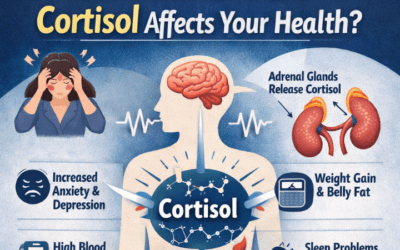
High stress often increases symptoms of low thyroid, such as anxiety, mood swings, and fatigue. Long-term stress generally forces the body to release elevated cortisol levels, which may interfere with the conversion of thyroid hormones into their active forms. A lifestyle filled with constant urgency, emotional strain, or overloaded routines may suppress thyroid function over time.
4. Sedentary Routines
When the body is not doing any physical activity or remains inactive for longer periods, the metabolism naturally slows down, and this reduced metabolic activity can make sluggish thyroid responses more noticeable. That is why it’s advised to have at least mild daily movement to support better hormonal balance in general.
5. Excessive Processed Foods and High Caffeine Intake
Eating too many ultra-processed foods like packaged snacks, ready-to-eat meals, and sugary treats combined with heavy caffeine consumption can strain your body’s hormone balance. Processed foods increase inflammation and lack essential nutrients, while too much caffeine overstimulates your stress hormones. Together, this mix can indirectly interfere with how your thyroid hormones are produced, converted, and used.
Answering More Of Your Queries
Can my daily habits really worsen thyroid symptoms even if my medication is correct?
Yes. Poor sleep, stress, nutrient gaps, and inactivity can all weaken the effectiveness of thyroid medication and worsen symptoms.
Goitrogenic foods: Will eating cruciferous vegetables like broccoli, cauliflower, and cabbage affect my thyroid?
Generally, these vegetables are safe when cooked and consumed in normal amounts; only very large raw amounts may mildly interfere with thyroid function.
Can drinking too much coffee or tea interfere with my thyroid medication?
Yes. Excess caffeine can reduce medication absorption and overstimulate stress hormones. It’s recommended to avoid caffeine for at least 45–60 minutes after taking thyroid medicine.
Conclusion
Keeping these conditions in mind, a low-functioning thyroid must be understood as a health concern that significantly affects your whole body. And in many cases, low thyroid symptoms like hypothyroidism are closely linked to autoimmune conditions, especially Hashimoto’s, where the immune system gradually weakens the thyroid. If you’re experiencing these symptoms and are looking for a specialist, Dr David Bilstrom is there to assist you by identifying and treating the root causes of autoimmune-related thyroid dysfunction.
Reach out to us now and take the first step toward restoring thyroid and immune balance!
“Get a Revolution. Get to Revolution.”